Baalu Girma
- Author: Baalu Girma
- Nationality: Ethiopian
- Birth Date:
- Books: 1 book
Biography
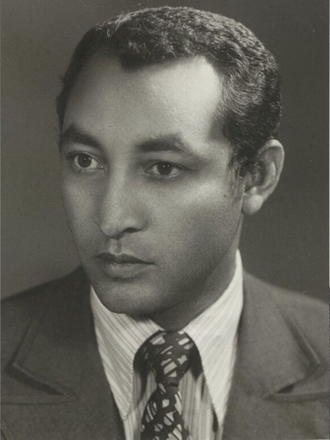
Baalu Girma (September 22, 1939 – February 14, 1984) was an iconic Ethiopian journalist, editor, and novelist. Universally recognized for his tragic martyrdom to the cause of literary freedom, he wrote Oromay ("It is Over"), widely considered one of the most brilliant and dangerous political novels in the history of Amharic literature.
Quick Facts
-------------------------------------------------
- Born: September 22, 1939, in Supe Boro, Illubabor Province, Ethiopia
-Disappeared: February 14, 1984 (aged 44) in Addis Ababa, Ethiopia
- Heritage: Born to an Ethiopian mother and an Indian businessman from Gujarat
- Key Legacy: Head of the Ethiopian News Agency and Deputy Minister of Information who used his inside access to write a devastating critique of the ruling military regime.
Key Historical Biographical & Literary Highlights
-------------------------------------------------
1. Multi-Linguistic Upbringing and Education
-------------------------------------------------
Baalu grew up in western Ethiopia, where his native language was Oromo. After learning Ge'ez during church catechism classes, he moved to Addis Ababa at age ten and rapidly mastered Amharic. He graduated from Addis Ababa University and went on to secure a scholarship to study political science and journalism at the University of Michigan in the United States.
2. Journalism Career and State Service
-------------------------------------------------
Upon returning to Ethiopia, Baalu became a powerhouse in national print media. He served as the Editor-in-Chief of the country's most respected papers, including Addis Zemen and The Ethiopian Herald. Following the 1974 revolution, his elite communication skills caught the attention of the Marxist military junta (the Derg). He was appointed Permanent Secretary (de facto minister) at the Ministry of Information, a position that gave him unprecedented personal access to dictator Mengistu Haile Mariam.
3. Behind Enemy Lines: The Red Star Campaign
-------------------------------------------------
In 1982, the Derg regime deployed Baalu to Asmara to serve as the chief propaganda officer for the Red Star Campaign—a massive, brutal military offensive aimed at crushing the Eritrean insurgency. While tasked with writing state-approved patriotic victory reports, Baalu was privately horrified by the sheer incompetence, corruption, drunken debauchery, and bloody reality of the war. He quietly took meticulous notes, transforming his front-line experiences into high-stakes fiction.
4. Masterworks
-------------------------------------------------
Baalu's portfolio comprises six highly acclaimed novels:
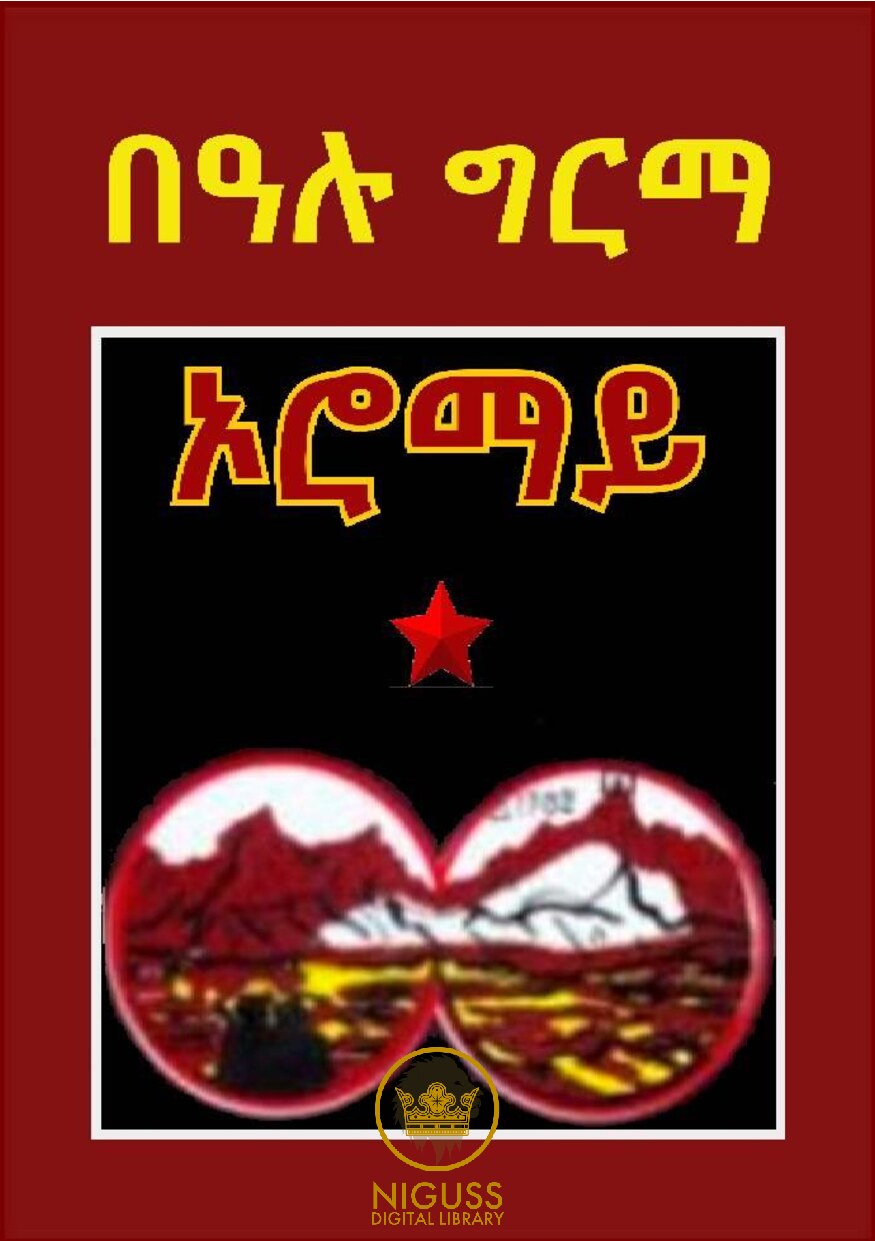
- Oromay (ኦሮማይ — 1983): His definitive masterpiece. The title stems from the Italian word oramai (meaning "it's too late" or "it's over"), a common phrase in Asmara. The political thriller follows a state journalist who uncovers shocking military failures and internal betrayals. Because the characters were razor-sharp, barely disguised caricatures of real-life Derg generals and ministers, the novel became an immediate sensation.
- The Call of the Red Star (የቀይ ኮከብ ጥሪ — 1980): A deeply realistic novel that explored early revolutionary fervor and socialist themes, which the military regime actually named its 1982 war campaign after.
- The Bell of Conscience (የሕሊና ደወል — 1974): A campus-based story following an idealist student fighting to improve a school's conditions against bureaucratic decay.
- Beyond the Horizon (ከእድማስ ባሻገር), Haddis (ሐዲስ), and The Author (ደራሲው): Other highly rated novels tracking social identity, modernization, and the internal psychology of Ethiopian intellectuals.
5. The Ultimate Sacrifice
-------------------------------------------------
The Derg regime reacted with immediate fury to the publication of Oromay. Within five days of its 1983 release, the government banned the novel, stripped Baalu of his ministerial job, and ordered copies of the book to be confiscated and pulped at a state sugar factory.Baalu courageously refused to flee the country. On Valentine's Day, 1984, he left his home in Addis Ababa and vanished without a trace. While the regime never acknowledged his fate, historical consensus confirms he was abducted and assassinated by Derg security agents in retaliation for his writing. Decades after his martyrdom, a major English translation of Oromay by David DeGusta and Mesfin Felleke Yirgu was published internationally, cementing his place as an international hero of free speech.