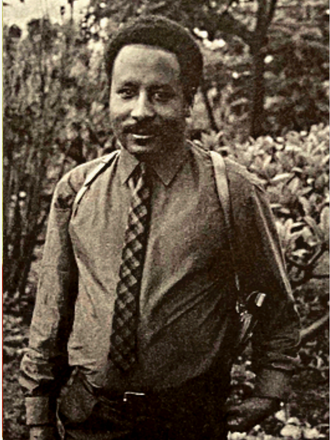
Abe Gubegna (July 1, 1933 – February 10, 1980) was a fiercely courageous Ethiopian novelist, playwright, and poet. He holds a monumental place in East African literary history as Ethiopia's first full-time professional writer, famously leveraging his sharp pen to critique systemic oppression, corruption, and political tyranny across multiple regimes.
Quick Facts
-------------------------------------------------
-Born: July 1, 1933, in Korench Abo, Achefer (near Bahir Dar), Ethiopia
-Died: February 10, 1980 (aged 46) in Addis Ababa, Ethiopia
-Education: Church education specializing in Ge'ez and Qene poetry
-Career Milestone: Resigned from government civil service to write full-time.
Key Biographical Highlights
-------------------------------------------------
1. Spiritual and Creative Roots
-------------------------------------------------
Born into a farming family in Gojjam, Abe spent 12 years studying within the traditional Ethiopian Orthodox Tewahedo Church system. He deeply mastered the liturgical Ge'ez language and Qene (traditional philosophical poetry). This unique grounding allowed him to weave rich biblical allegories, high moral standards, and complex poetic meters into his secular writing. He later moved to Addis Ababa to finish his secondary education and briefly worked as a journalist for the Ministry of Information.
2. Milestone Masterpieces for your Library
-------------------------------------------------
Abe was extraordinarily prolific, publishing eight novels, five plays, and three poetry anthologies. While he mostly wrote in Amharic, he was highly progressive and also published works in English:
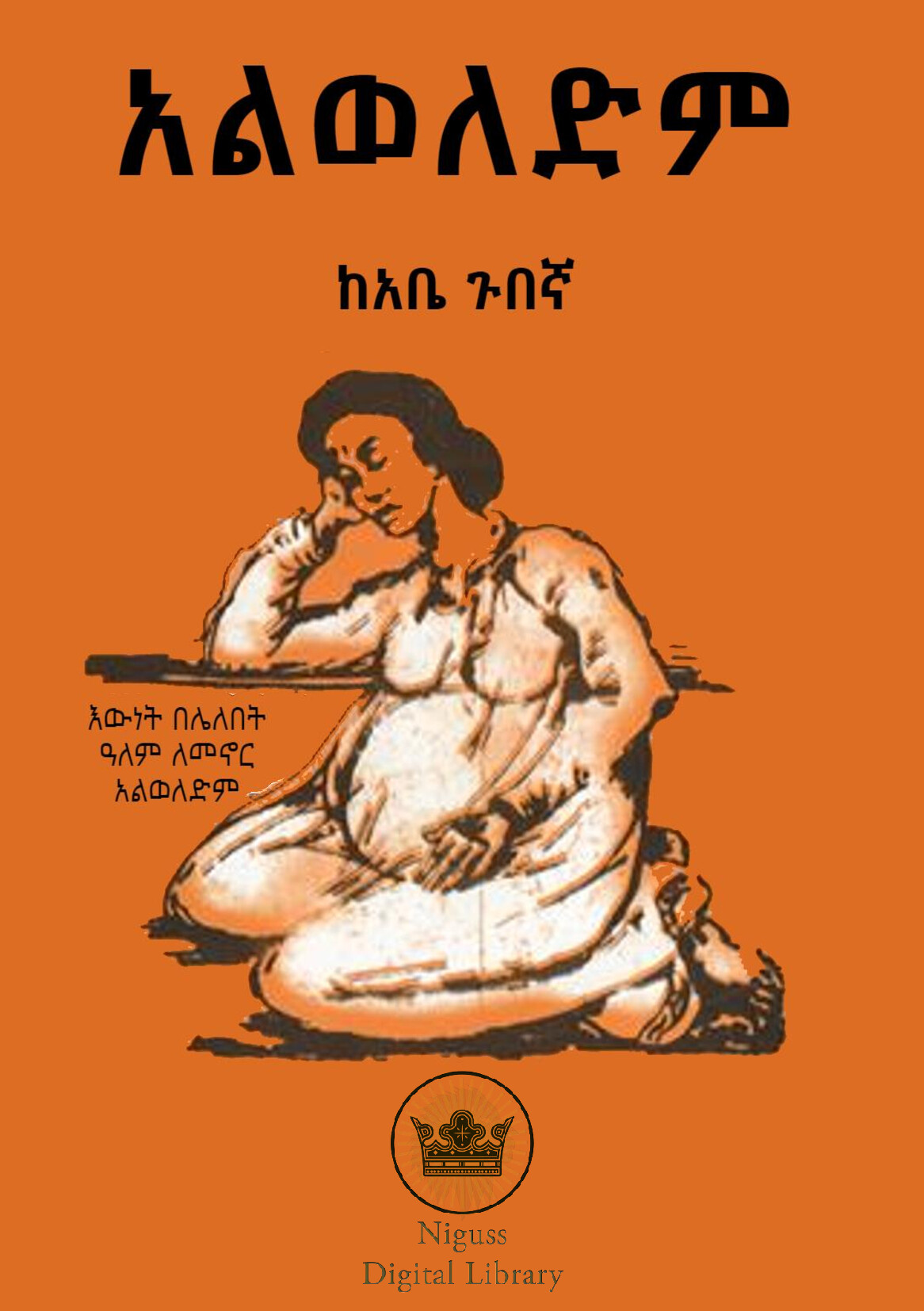
- Alweledim (አልወለድም — "I Will Not Be Born", 1962): His absolute masterpiece. Written from the perspective of an unborn child who refuses to enter the world until human tyranny, poverty, and corruption are eliminated, the novel sent shockwaves through the country. Emperor Haile Selassie's imperial government immediately banned the book and sentenced Abe to three years of forced home confinement
- And Lenatu (አንድ ለናቱ — "His Mother's Only Child", 1968): A deeply researched historical novel tracking the rise of Emperor Tewodros II and the fragmented internal warfare of the Zemene Mesafint (Era of the Princes).
- The Savage Girl (1964) & Defiance (1975): His standout English releases. The Savage Girl was the first English-language play published by an Ethiopian, while Defiance explored anti-colonial resistance during the fascist Italian occupation of the 1930s
3. Political Banishing and Fearless Defiance
-------------------------------------------------
Abe refused to back down when his writings were heavily censored. He was repeatedly arrested, imprisoned, and at one point banished to a bitterly cold, remote region of rural Ethiopia. When the 1974 revolution broke out, he initially supported the removal of the monarchy. However, as the new Marxist Derg military regime descended into the violent mass-killings of the Red Terror, Abe fearlessly turned his pen against them too.
4. Mysterious and Untimely Death
-------------------------------------------------
Because he openly opposed the Derg military junta, Abe lived under constant danger. On February 10, 1980, he passed away under highly mysterious and controversial circumstances in Addis Ababa at the age of 46. While some official reports pointed to a sudden illness, popular historical and literary consensus in Ethiopia strongly suspects he was secretly assassinated by the military government to silence his powerful voice.