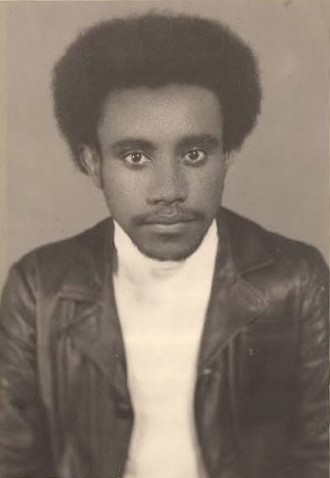
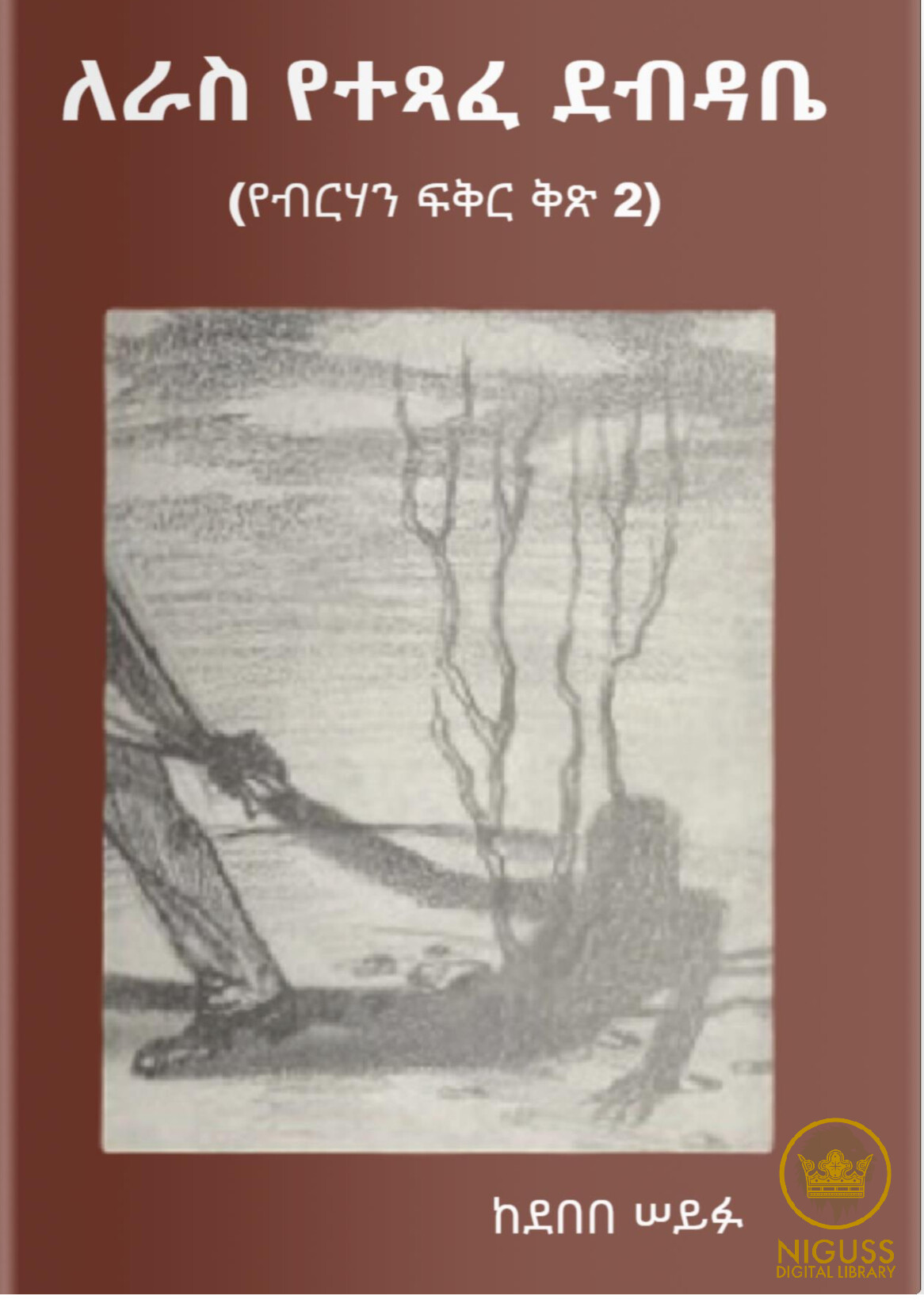
Debebe Seifu (July 12, 1950 – April 25, 2000) was an immensely influential Ethiopian poet, playwright, literary critic, and academic. As an assistant professor at Addis Ababa University, he balanced rigorous scholarship with a deeply passionate creative life, earning a lasting reputation as a fearless "warrior for truth" in modern Amharic literature.
Quick Facts
-------------------------------------------------
-Born: July 12, 1950, in Yirgalem, Sidamo, Ethiopia
-Died: April 25, 2000 (aged 49) in Addis Ababa, Ethiopia
-Education: B.A. in Ethiopian Languages and Literature (1973), M.A. in English Literature (1980) from Addis Ababa University
-Key Legacy: Reimagined modern Amharic poetry by infusing it with philosophical existentialism, social justice, and deep psychological self-awareness.
Key Historical & Literary Contributions
-------------------------------------------------
1. Core Themes and Literary Style
-------------------------------------------------
For your Niguss Library archive, it is essential to note that Debebe Seifu's writing heavily explored the relationship between power dynamics, the creative impulse, and greater self-awareness (Yärase gənəzzabe). His poems captured the intense clash between a visionary artist and the rigid values of a philistine, conformist society. His verses ring with a distinct, raw sincerity—moving effortlessly from the political struggles of the working class to vast aesthetic debates on truth and beauty.
2. Milestone Works & Anthologies
-------------------------------------------------
Debebe published iconic poetry collections and widely read individual poems that remain standard reading in Ethiopian high schools and universities:
- Lemən Mote Bəlu (ለምን ሞተ ቢሉ — "If They Ask Why He Died"): One of his most recognizable, emotionally heavy poems exploring death, sacrifice, and memory.
- Yete'asrosh Gətemoch (የተአስሮሽ ግጥሞች — "Poems of Captivity"): Written in the shadows of Ethiopia's changing political landscapes, reflecting on confinement, resilience, and intellectual freedom.
-Bəchegnənet (ብቸኝነት — "Loneliness") and Bale Adera (ባለ አደራ): Celebrated philosophical poems tracking existential isolation and the profound civic duties of an enlightened citizen.
-"Tree of Hope" (የተስፋዬ ዛፉ — 1971): A beautifully structured poem capturing despair and renewal timed around the Ethiopian New Year, famously translated into English by scholar Mitiku Adisu.
3. Political Advocacy and Social Concern
-------------------------------------------------
Debebe refused to let art sit in an ivory tower. In 1973, he composed scathing, courageous verses attacking the imperial government's chilling indifference toward the catastrophic Wollo Famine. When the 1974 revolution broke out, he initially hoped it would bring structural progress for ordinary Ethiopians. He threw himself into national intellectual debates, using his platform at the university to advocate for artistic independence amidst heavy state censorship.4. Legacy as an Ed
4. Legacy as an Educator
-------------------------------------------------
As a beloved lecturer in the Department of Foreign Languages and Literature at Addis Ababa University, Debebe taught and mentored an entire generation of modern Ethiopian writers, journalists, and critics. He translated several of his own Amharic poems into English to bridge cultural divides, though many remained unpublished at the time of his early passing in 2000.